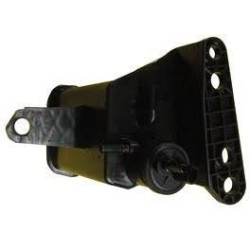
Charcoal Canister Genuine Renault for Clio II / Kangoo I / Thalia I
Ref. MAI.OEM.0658
€157.90 Available
 From the blogPeugeot 307: common faults and the parts to watch
 From the blogPeugeot 307: common faults and the parts to watch
 From the blogPeugeot 307: common faults and the parts to watch
 From the blogOriginal or compatible part: how to choose between OEM and ODM
 From the blogMisted windows, ice and short days: how to see clearly in winter
 From the blogPeugeot 307: common faults and the parts to watch
 From the blogPeugeot 307: common faults and the parts to watch
 From the blogPeugeot 307: common faults and the parts to watch
 From the blogMisted windows, ice and short days: how to see clearly in winter
 From the blogMisted windows, ice and short days: how to see clearly in winter
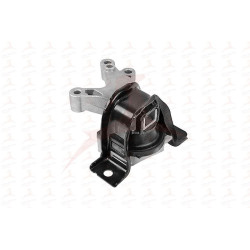
Vibration at idle, clunks when pulling away, or difficult gear changes can point to worn engine mounts. See the symptoms, how to check safely, and which mount to choose for Renault and Dacia.

Engine mounts hold the engine and gearbox to the body. They use metal and rubber, or oil in hydraulic mounts, to absorb vibration and limit engine movement.
When the rubber tears, gets play, or separates from the metal, the engine starts moving more than it should. You can feel it through the steering wheel, pedals, gear change, and even the exhaust line.
Always start with a visual inspection, with the engine off and cold. Look for cracks, crushed rubber, play, separated areas, or oil marks on the mount.
If you want to confirm engine movement, ask a workshop for help. Tests using a selected gear, brake, and clutch can be dangerous without experience.
A worn mount often lets the engine lift, rock, or knock under load. A lift inspection also makes it easier to see the lower mount, which is often the first to fail.
Most cars have 3 or 4 mounts. There is usually one on the timing side, one on the gearbox side, and a lower torque mount.
The lower mount works hard because it limits engine rocking when pulling away, braking, and accelerating. That makes it one of the most common parts for Renault Clio, Renault Mégane, and Dacia Logan.
On Clio III with 1.4, 1.5 dCi, and 1.6 16V engines, this engine mount is one of the common solutions:
If you need another version for Clio III, check the shape and reference before ordering:
On Clio II and Mégane I, the rear torque mount is a common and relatively simple replacement:
On Mégane III 1.5 dCi, the original lower mount is a direct solution to restore the correct fit:
Compatible options are also available for other Renault and Dacia applications:
A worn mount makes the other mounts work harder. Over time, vibration can also stress hoses, wiring, the exhaust, joints, and gearbox supports.
Replacing the right mount in time reduces noise, improves comfort, and helps protect parts around the engine.
The same model can use different mounts depending on engine, year, and gearbox. Compare the OE reference on the old part with the reference shown on the product.
If in doubt, send us the registration number or a photo of the old mount. We will confirm compatibility before shipping.


In winter the windscreen mists up inside, freezes outside and the days are shorter. See how to demist faster, clear ice without damage and get your lights ready.
Streaks, squeaking or juddering are signs of worn wiper blades. See when to replace them, how to get the size and fitting right, and how to prepare your screenwash for the cold.