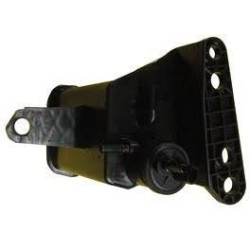
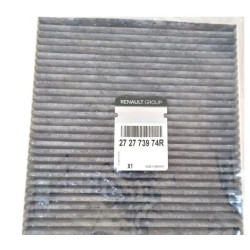
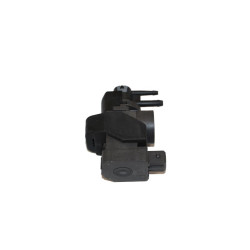
Charcoal Canister Genuine Renault for Clio II / Kangoo I / Thalia I
Ref. MAI.OEM.0658
€157.90 Available
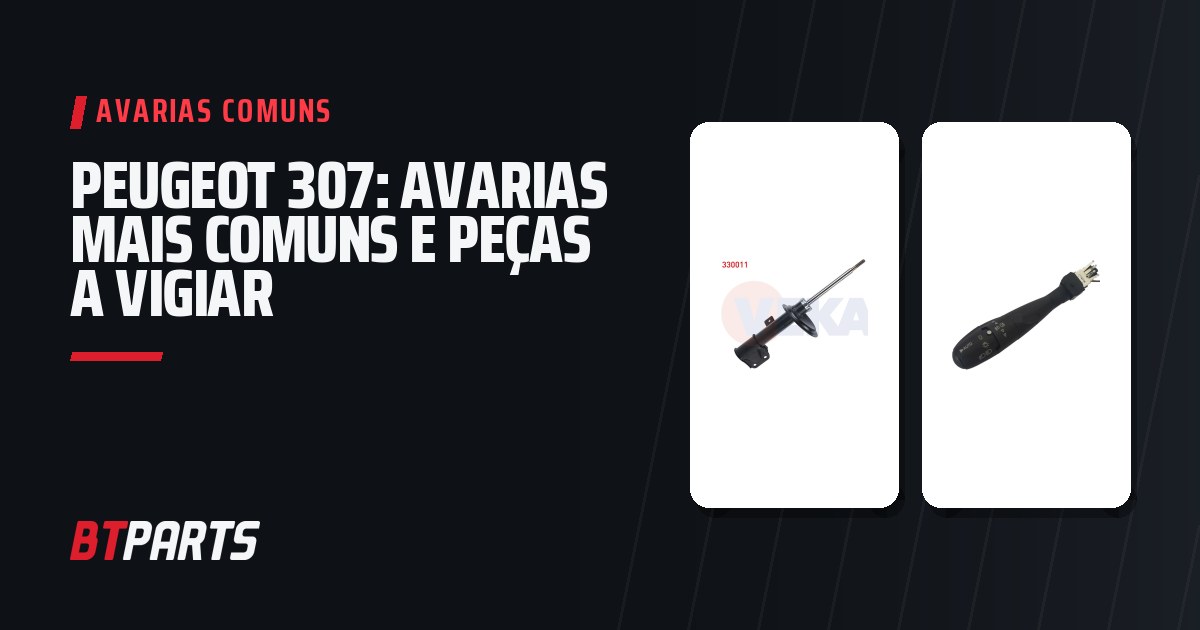 From the blogPeugeot 307: common faults and the parts to watch
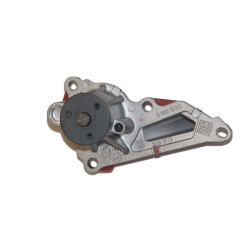 From the blogPeugeot 307: common faults and the parts to watch
 From the blogPeugeot 307: common faults and the parts to watch
 From the blogOriginal or compatible part: how to choose between OEM and ODM
 From the blogMisted windows, ice and short days: how to see clearly in winter
 From the blogPeugeot 307: common faults and the parts to watch
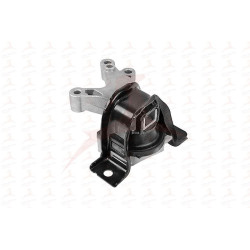 From the blogPeugeot 307: common faults and the parts to watch
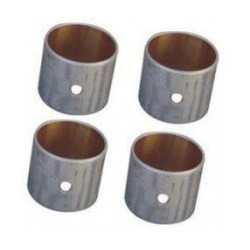
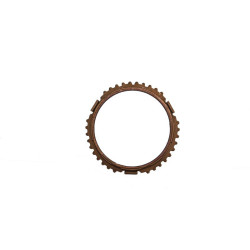
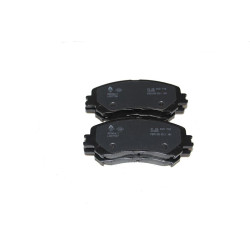 From the blogPeugeot 307: common faults and the parts to watch
 From the blogMisted windows, ice and short days: how to see clearly in winter
 From the blogMisted windows, ice and short days: how to see clearly in winter
Original or compatible part? See the difference between OEM and ODM, when each option makes sense, and how to use the OE reference to buy the right part without paying more than needed.
When looking for a car part, you will often find 2 options: original and compatible. Both can fit the same car, but they differ in price, origin, and finish.
At btParts, each item is marked as OEM when it is an original part, or ODM when it is a compatible part. We also show the OE reference, which is the number used by the car brand to identify the original part.
An OEM part is an original part from the car brand, or from the manufacturer that produces for that brand. It is the closest option to the part fitted at the factory.
An ODM part is made by an independent brand to replace the original part. It should match the dimensions, application, and reference of the equivalent part.
A compatible part makes sense when the OE reference matches and the application is the same. In many cases, it lets you repair the car for less without changing what the part does.
It is a good choice for hoses, mounts, exterior plastics, grilles, shields, and other parts where compatibility can be confirmed by shape and reference.
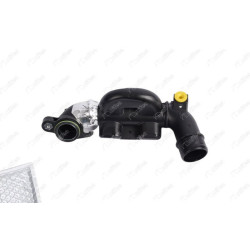
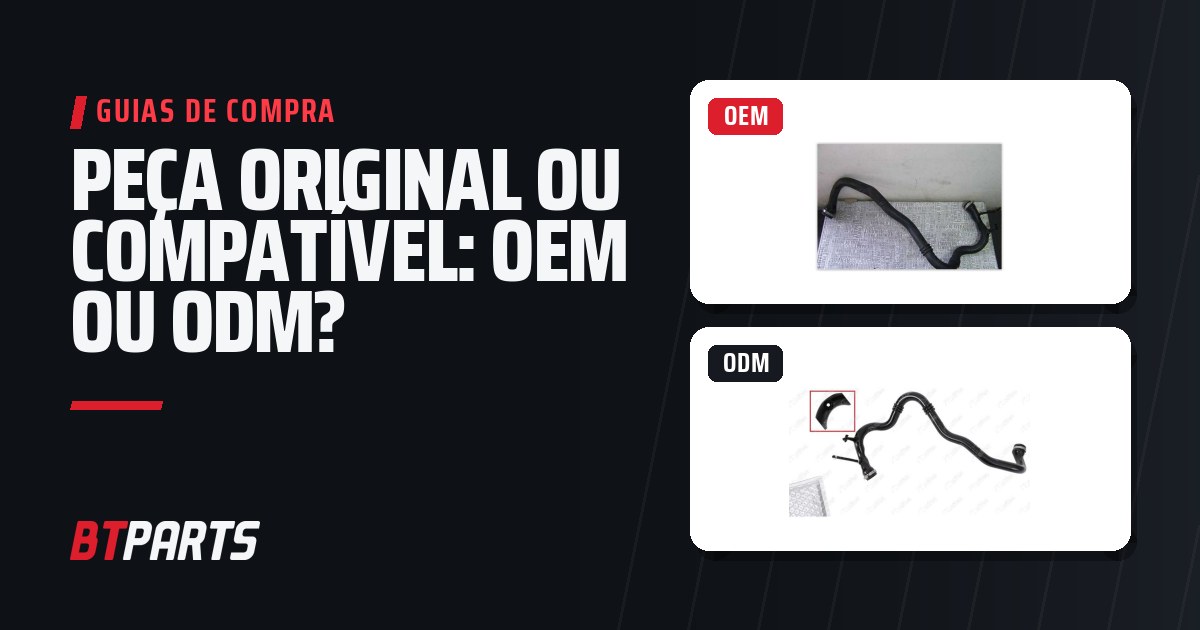
The air filter hose for the Dacia Logan, Sandero, and Duster 1.5 dCi exists in both versions. The original part:
And the compatible part, with equivalent application and usually a more accessible price:
The OE reference is the number of the original part. If your old part has the same reference, or if that reference appears on the product, you are much closer to buying the right part.
Before choosing only by car model, check the OE reference, the shape of the part, and the engine version.
Choose OEM when you want to keep the part identical to the original and price is not the main factor. Choose ODM when you want a compatible, more economical solution for a practical repair.
The most important point is not choosing “original” or “compatible” quickly. The most important point is confirming that the part fits your car before buying.


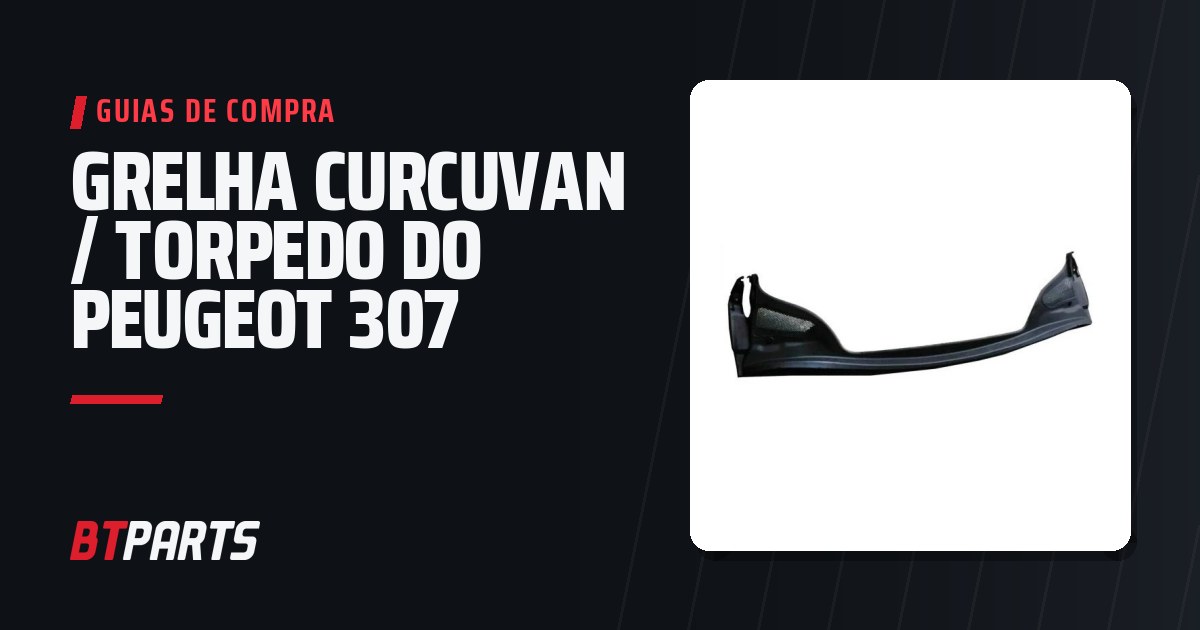
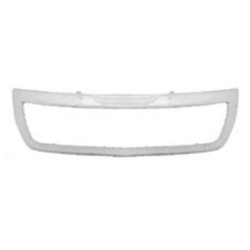
The REP.ODM.0063 scuttle panel grille helps restore one of the exterior areas that ages most on any Peugeot 307, of any version and year. See when to replace it, what to check, and why it improves the finish at the base of the windscreen.