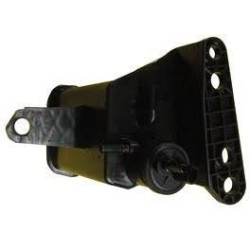
Charcoal Canister Genuine Renault for Clio II / Kangoo I / Thalia I
Ref. MAI.OEM.0658
€157.90 Available
 From the blogPeugeot 307: common faults and the parts to watch
 From the blogPeugeot 307: common faults and the parts to watch
 From the blogPeugeot 307: common faults and the parts to watch
 From the blogOriginal or compatible part: how to choose between OEM and ODM
 From the blogMisted windows, ice and short days: how to see clearly in winter
 From the blogPeugeot 307: common faults and the parts to watch
 From the blogPeugeot 307: common faults and the parts to watch

 From the blogPeugeot 307: common faults and the parts to watch
 From the blogMisted windows, ice and short days: how to see clearly in winter
 From the blogMisted windows, ice and short days: how to see clearly in winter
The Peugeot 307 is practical and cheap to run, but it has well-known weak points: electrics, suspension, HDi engines and water leaks. See the most common problems and the parts to fix them.
The Peugeot 307 (2001–2008) was one of the best-selling cars of its time and there are still plenty on the road. It is roomy, comfortable and cheap to run, but it has weak points worth knowing about, especially on cars built before the 2005 facelift.
We have gathered the faults most often reported by garages, magazines and owners, by area of the car, with the parts we have for each one.
The electrics are the 307's most criticised area. The BSI, the box that manages much of the electrical system, and the steering column switch unit (the COM2000) are behind many complaints:
Before replacing parts, run a diagnosis with a Peugeot-compatible tool. Some faults are fixed with a BSI update or by cleaning a damp connector.
When it is the indicator and light switch that fails, we have this stalk, which already includes the clock spring (the airbag's rotary contact):
The window regulators (cables and motors) and the switches are another frequent complaint. If the motor runs but the window does not go up, the regulator cable is the most likely cause. If you hear nothing, check the switch and the connector first.
The 307's suspension wears early, especially on poor roads. The most common signs are knocks from the front over speed bumps, the car swaying in corners and uneven tyre wear.
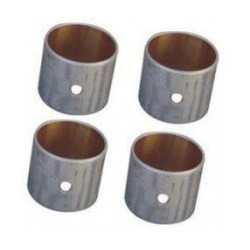
For the 307 1.4 and 1.6 we have the front shock absorbers and the suspension arm bushes:
Always replace shock absorbers in pairs, on both sides of the same axle.
On the petrol engines (1.4, 1.6 16V and 2.0 16V), ignition coils are a classic fault: the engine misfires, shakes and the engine warning light comes on. On the 1.6 16V, leaks in the cooling system can end in a head gasket failure if ignored.
Keep an eye on the coolant level and look for signs of leaks at the expansion tank and the connections:
On cars up to 2004, a temperature needle rising into the red meant replacing the fan motor. If the fan does not come on or only runs at full speed, check the fan resistor too:
The 1.6 HDi and 2.0 HDi engines are economical and long-lasting when looked after, but they have well-known weak points:
Turbo and boost air hoses for the 307:
For oil leaks at the vacuum pump on the 1.4 and 1.6 HDi, we have the gasket:
Wet carpets and damp connectors are another 307 classic. Water gets in through the door seals, the sunroof or blocked drains under the scuttle panel, in front of the windscreen. The damp then damages connectors and electrical modules.
We explain how to check the scuttle panel grille in our article on the Peugeot 307 scuttle grille:
Timing kits and filters vary by engine. See all the parts for your car in Parts for Peugeot 307.
Well maintained, the 307 is still a practical and inexpensive car. Versions built after the 2005 facelift are more reliable, and many faults on early cars were fixed under warranty or with updates.
The 307 came with many engine, gearbox and body versions (3 and 5 doors, SW and CC). Compare the OE reference on the old part or send us the registration number. We will confirm compatibility before shipping.


On cold mornings the battery, the glow plugs and the oil are put to the test. See why your car is hard to start, how to find the cause and what helps.
Loss of power, whistling, black smoke, or limp mode on the 1.5 dCi? The leak may be in a turbo hose, intercooler pipe, or seal. See how to spot the symptoms and choose the right part.