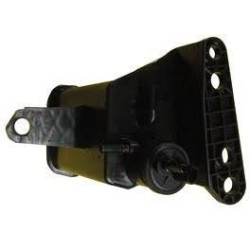
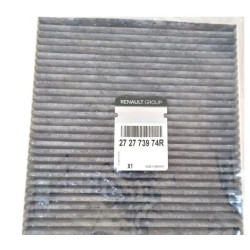
Charcoal Canister Genuine Renault for Clio II / Kangoo I / Thalia I
Ref. MAI.OEM.0658
€157.90 Available
 From the blogPeugeot 307: common faults and the parts to watch
 From the blogPeugeot 307: common faults and the parts to watch
 From the blogPeugeot 307: common faults and the parts to watch
 From the blogOriginal or compatible part: how to choose between OEM and ODM
 From the blogMisted windows, ice and short days: how to see clearly in winter
 From the blogPeugeot 307: common faults and the parts to watch
 From the blogPeugeot 307: common faults and the parts to watch
 From the blogPeugeot 307: common faults and the parts to watch
 From the blogMisted windows, ice and short days: how to see clearly in winter
 From the blogMisted windows, ice and short days: how to see clearly in winter
Loss of power, whistling, black smoke, or limp mode on the 1.5 dCi? The leak may be in a turbo hose, intercooler pipe, or seal. See how to spot the symptoms and choose the right part.
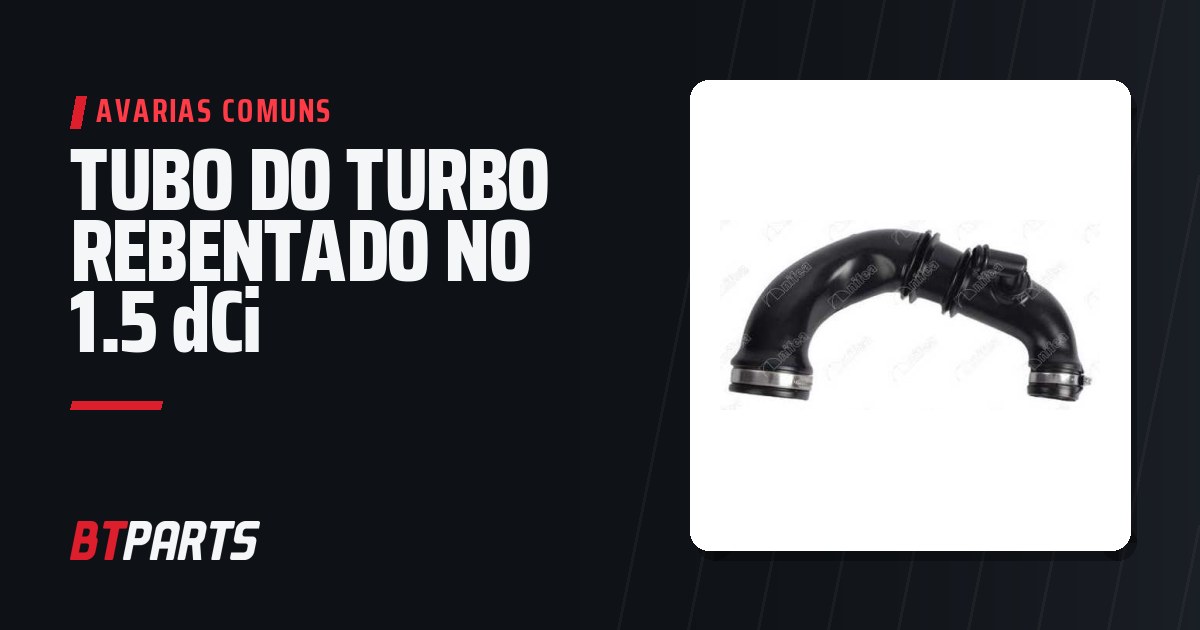
The 1.5 dCi engine powers many diesel Renault and Dacia models, including Mégane, Clio, Kangoo, Scénic, Logan, Sandero, and Duster. It is economical, but one fault is common: leaks in the turbo, intercooler, and intake air hoses.
When a hose cracks, comes loose, or loses pressure, the air compressed by the turbo does not reach the engine correctly. The car loses power, uses more fuel, and can go into limp mode.
The turbo air inlet hose is one of the common failures on Clio II, Clio III, Mégane II, and Kangoo:
On Mégane III and Fluence 1.5 dCi 110 hp, the large flexible hose is often the cause:
If the leak is at the joint, it often makes sense to replace the seal first:
Other connections in the circuit can also cause pressure loss. Always compare the shape and reference of the old part before ordering:
You can drive for a short time, but it is better not to delay the repair. The engine gets less air, the turbo works harder to compensate, and the car can use more fuel and produce more smoke.
A large leak can also let dirt into the circuit. Replacing a hose or seal in time costs much less than letting the problem reach the turbo.
Hoses change by model, year, power output, and engine version. Before buying, compare the OE reference stamped on the old part with the one shown on the product.
If in doubt, send us the registration number or a photo of the old part. We will confirm compatibility before shipping.


The Peugeot 307 is practical and cheap to run, but it has well-known weak points: electrics, suspension, HDi engines and water leaks. See the most common problems and the parts to fix them.
On cold mornings the battery, the glow plugs and the oil are put to the test. See why your car is hard to start, how to find the cause and what helps.